 FR
FR Abdel E.Founder of a web development agency · France
Moving to Dubai was completely stress-free. The team handled everything from A to Z and was always available to answer my questions.


DET licence, local activity and full support from Square Zone
A mainland company is registered with Dubai's Department of Economy and Tourism (DET). It allows you to carry out the activities listed on its licence, with the required premises and sector authorisations.
It is an option to consider for a shop, a restaurant or a team working in the local market. We check the activity, foreign ownership, office needs and visas before costing your setup.
To estimate the price of a mainland company setup in Dubai, first describe where and how you will operate: consulting office, shop, restaurant or on-site work at clients' premises. The premises and the authorisations tied to your trade can weigh as much as the licence in your starting budget.
The budget for a mainland company depends on the activity, the office and the approvals: here are the real ranges observed in 2026, official DET fees included. Your Square Zone quote details every line before commitment.
Swipe the table to see what is included →
| Item | Indicative price | Details |
|---|---|---|
| Trade name reservation (DET) | around AED 620 | Official fees, name reserved for 180 days. |
| Initial approval (DET) | around AED 120 | No-objection on the activity and shareholders, valid for 6 months. |
| DET commercial licence | around AED 10,000 to 15,000/year | Depending on the activity; some regulated activities cost more. |
| Notarisation of the articles (MOA) | around AED 1,500 to 2,500 | Dubai notary, mandatory for structures with several shareholders. |
| Office + Ejari registration | from AED 15,000/year | Classic setup: premises requirements to be confirmed depending on the licence. |
| Total first-year budget (1 visa) | around AED 30,000 to 45,000 | That is around EUR 7,000 to 10,700 depending on the exchange rate. |
Indicative 2026 ranges: the mainland varies more than the free zones depending on the activity and external approvals. That is why your quote goes through a consultant, free of charge, before any commitment.
Under the general Corporate Tax regime, the rate is 0% up to AED 375,000 of taxable income then 9% beyond. A mainland company must review its registration, accounting and filing obligations, even when no tax is due.
The QFZP regime is reserved for free zone persons who meet all its conditions. It does not apply to a mainland company; the choice of structure must therefore reflect the activity and the real flows, not a general promise of a zero rate.
VAT at 5% follows the same rules: mandatory registration from AED 375,000 of taxable turnover in the UAE. For a company serving the local market, that threshold arrives quickly: plan the registration from the start.
The choice does not depend solely on where your clients are based. You must distinguish invoicing, the physical exercise of the activity and the sector authorisations. For a shop or a restaurant located outside a free zone, the mainland licence is generally the right route.
Since October 2025, a permit allows certain Dubai free zone companies to carry out eligible activities on the mainland. This scheme is subject to conditions and does not replace all licences. Compare this option with a mainland entity based on your activity and premises.
Many of our clients combine both: a free zone for the international activity, a mainland entity when local contracts come in. The two structures coexist perfectly.
The visa quota depends notably on the premises, the activity and the work and immigration authorisations. An office surface does not guarantee a number of visas: have the quota validated before signing the lease.
Employees of a mainland company fall under MOHRE (the Ministry of Labour): registered employment contract, work card and WPS system for salaries, on top of the classic immigration pathway (entry permit, medical test, biometrics, Emirates ID).
For the founder, the mainland investor visa follows the same path as its free zone counterparts: 2 years renewable, with the option to then sponsor a spouse and children. We synchronise the visas and Emirates IDs of the whole family in a single timeline.
Some mainland activities require the approval of a sector authority on top of the DET: healthcare (DHA), education (KHDA), food and beverage (Dubai Municipality and food safety), transport (RTA), financial activities (central bank or dedicated regulators).
These approvals add timelines (from a few days to several weeks) and sometimes premises or qualification requirements. It is the first source of surprises in poorly prepared mainland setups, and the first reason to work with a partner who knows the circuits.
The name is checked and reserved for 180 days with Dubai's Department of Economy and Tourism (official fees of around AED 620). Allow 1 to 2 days.
The DET's no-objection on your activity and shareholders, valid for 6 months (around AED 120). Some activities require additional external approvals.
Capital split, management powers and profit distribution are set before a Dubai notary. This is the step that locks in your structure.
For a classic setup, choose premises compliant with the activity and register the lease. Check any applicable exceptions with the DET.
With the complete file submitted, the electronic licence is issued in 1 to 2 days. Allow 3 to 4 weeks for the whole process.
Establishment card, residence visas then account opening: we handle each authority for you.
Our verdict on the Dubai mainland
A mainland licence is worth considering when the activity physically happens on the local market. The choice depends on premises, permits and contracts, not just where your clients are.
One contact to coordinate the incorporation and everything that follows.
A structure recommended for your activity and budget, with no hidden fees.
Licence, visas, PRO services and renewals: we handle everything for you.
We prepare the KYC file and define the accounting services you need with you.
One dedicated contact to track your file and answer your questions.
We coordinate the filing and any requests for additional documents.
Abdel E.Founder of a web development agency · FranceMoving to Dubai was completely stress-free. The team handled everything from A to Z and was always available to answer my questions.
 Thomas V.Founder of a marketing agency · France
I knew nothing about UAE procedures. Thanks to Square Zone my company was set up quickly and I felt supported at every step.
 Fateh C.Founder of a concierge company · France
Very professional and transparent support. They saved me precious time and spared me many mistakes in my move to Dubai.
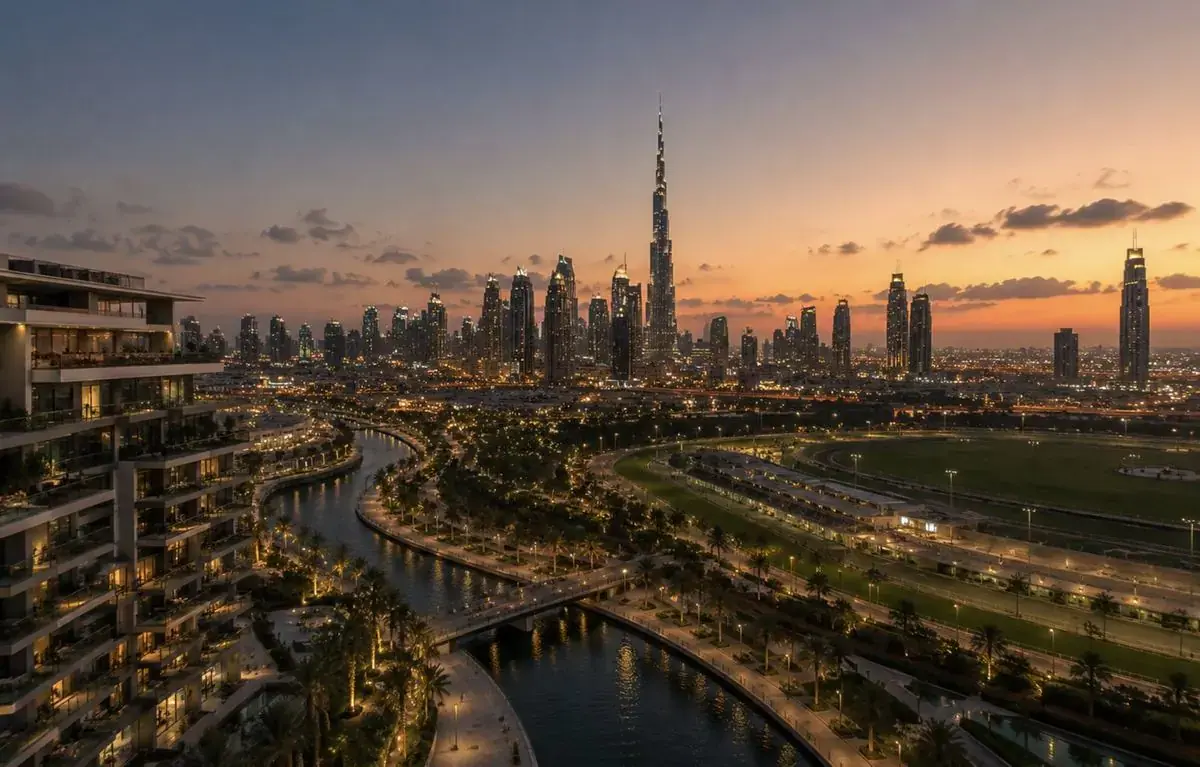



about mainland company setup in Dubai
Allow 3 to 4 weeks for the full process: name, initial approval, notarised articles, Ejari lease then licence. The licence itself is issued in 1 to 2 days once the complete file is filed with the DET.
Most activities now allow 100% foreign ownership for eligible activities. We confirm the structure available for your activity before any commitment.
A mainland company can bid for public contracts, subject to each buyer's criteria: supplier registration, permitted activity, qualifications and any local requirements. The licence guarantees neither eligibility for every tender nor the award of a contract.
Allow around AED 30,000 to 45,000 for the first year with one visa, office included: DET licence (AED 10,000 to 15,000), official fees, notarisation of the articles and Ejari lease. We provide a line-by-line quote before any commitment.
Largely yes: name, initial approval and filing are handled online. The notarisation of the articles can be done by power of attorney, and signing the lease generally requires a presence or a representative.
Yes. Since the 2021 reform, most commercial and industrial activities allow 100% foreign ownership for eligible activities, with no local sponsor. A few strategic sectors remain subject to specific rules: we check your activity before you commit.
The base regime is identical: 0% up to AED 375,000 of taxable income then 9%. The difference: a mainland company cannot claim the 0% QFZP rate on qualifying income, which is reserved for free zones. In exchange, it sells freely on the local market.
For a classic mainland setup, suitable premises and a registered lease are generally required. Some licences or procedures provide exceptions: check the DET requirements for your activity and legal form before renting.